
Welcome to Backpackingmatt.com! If you’re planning a trip to New Zealand, be sure you check out these 15 Tips for Your First Experience Backpacking in New Zealand. Have questions? Email me at matt (at) backpackingmatt (dot) com. I’m living in Queenstown and happy to help you plan your trip here.
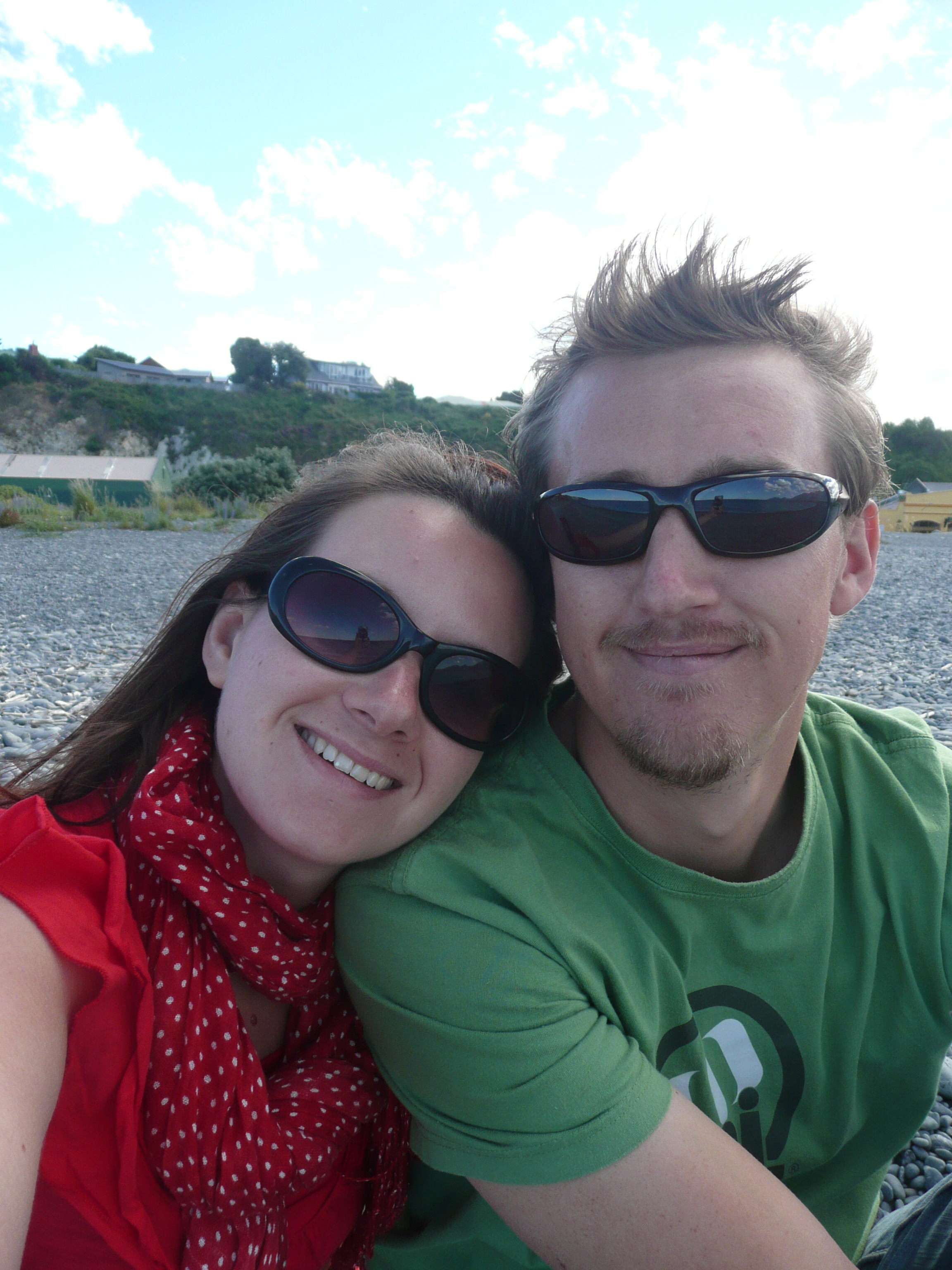 Today’s guest post comes from Melanie Coleby. Melanie is a first time traveler come backpacker, and she arrived in New Zealand last November for a six month working holiday. In her guest post, she lays out the basics to finding a Wwoofing position in New Zealand and her experiences working in exchange for food and accommodation – the highs and the lows.
At the age of 26, I’m a first time traveler exploring the wondrous land of New Zealand.
So far, I’ve loved my experience backpacking. Kiwi land has been a hospitable country, a friendly and helpful host. This is particularly helpful when you are a 26 year old woman who loves fine things and shops till she drops. Yes, before visiting New Zealand, I would probably have been categorized as high maintenance.
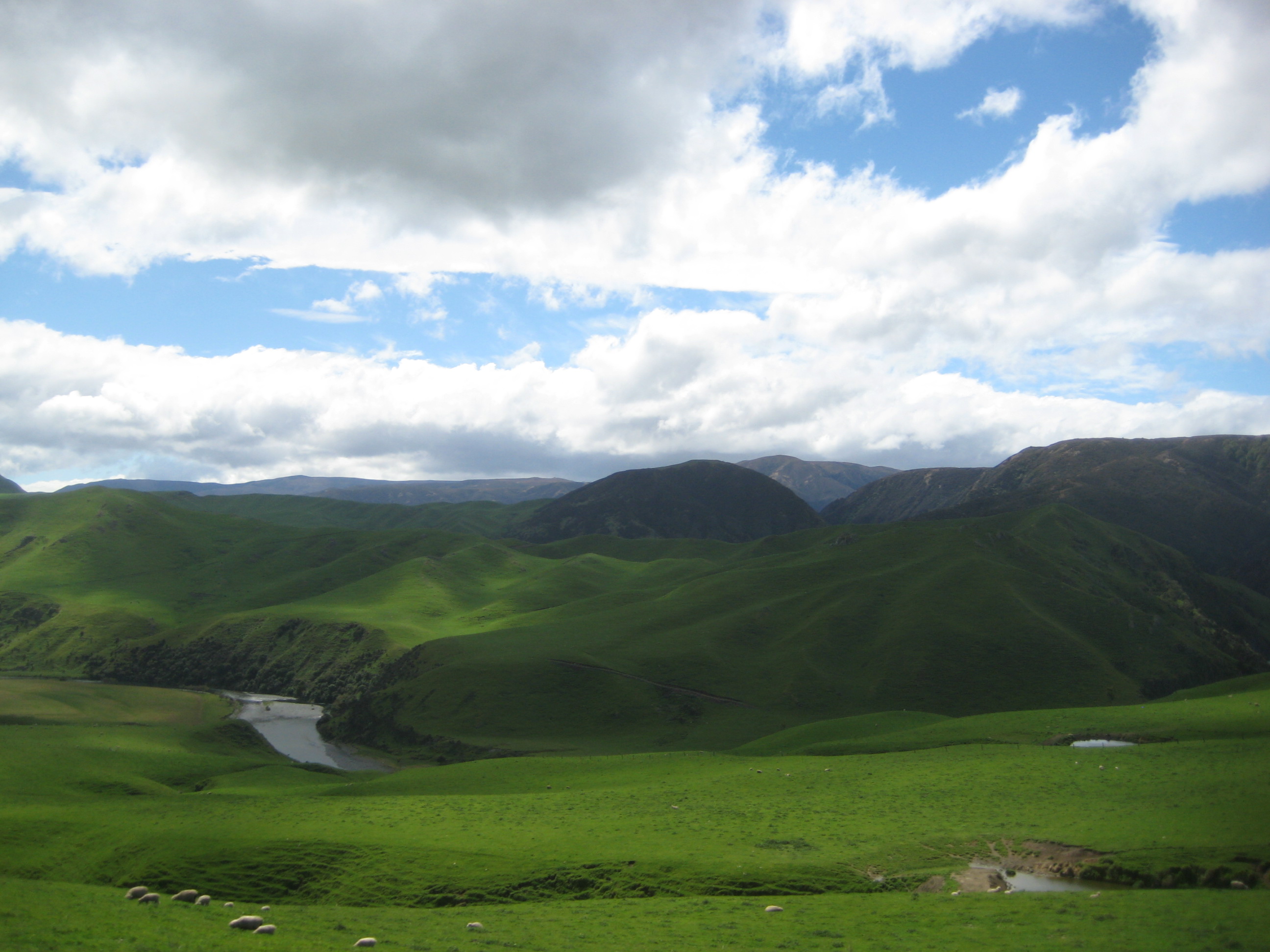
Since arriving in New Zealand, I’ve learnt to be more relaxed, accepting, and open minded thanks to Wwoofing. Wwoofing – Willing Workers On Organic Farms – is a host system where you exchange hours of work for accommodation and food. You are ordinarily expected to work between 4 – 5 hours a day, and the tasks to be completed will be decided by the host. Depending on the projects that they have, you might be involved in tasks such as gardening, cooking, and cleaning.
Wwoofing is a well established global host system and New Zealand is one of many participating countries. It is a great way to save money, meet the locals, and gain a very different perspective of the country you’re travelling.
Finding a Wwoof
1.) The official route for finding a position is to purchase a membership from the Wwoofing organization. You can access all information about the system on Wwoof.co.nz. If you decide to explore Wwoofing through the official route, then you would be expected to pay a fee of $40 in order to gain membership. In exchange for this payment you will receive a membership number and a host directory, in which you can access contact details for the hosts that you are interested in working for.
Although the organisation does not safeguard you from any potential problems, what they can offer you is a official body in which you can converse with if you do encounter any difficulties. 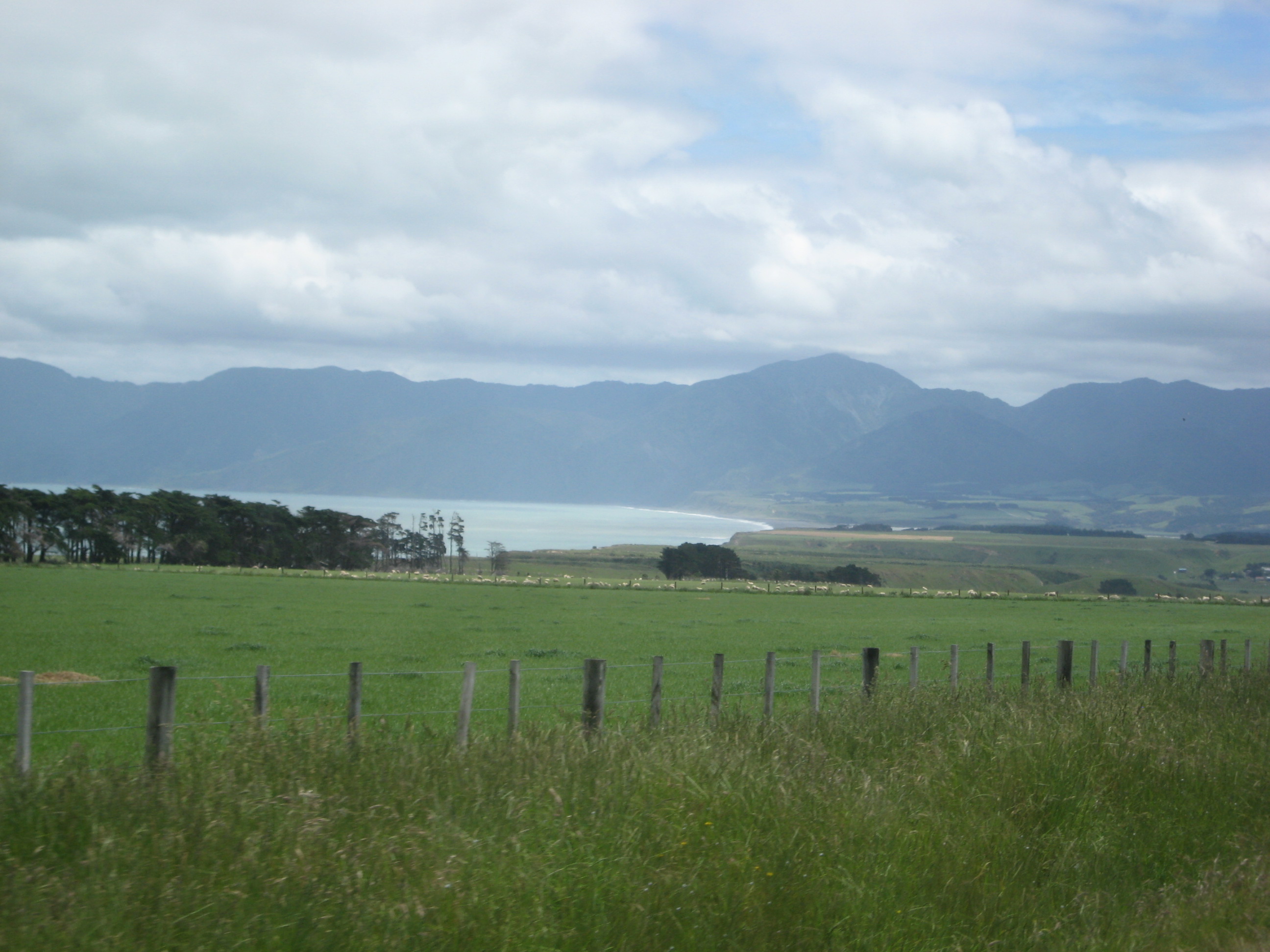
2.) You can also utilize websites such as Backpackerboard.co.nz. On this site, the term Wwoofer is used loosely. Work is often varied and will included roles in hostels, restaurants, and bars. In this instance, these agreements are often considered work exchanges. Use some caution as these hosts are not formal members of the Wwoofing organisation, and therefore they are not obligated to honor the 4-5 hours of work a day rule.
3.) You can also use your own initiative and search out positions on your own. Search online for places you might like to work or projects you want to be involved in. Email people you wish to Wwoof for, and remember to keep the dialogue open and friendly. New Zealanders want to know about you as a person as well as the skills you can offer. After sending a few speculative emails, I was able to secure a work exchange for 5 weeks in Nelson.
When you are applying for any Wwoof position that has not been officially advertised in the Wwoof directory, you set the ground rules. Don’t be afraid to ask for confirmation of the hours that you will be expected to work in a written document.
Wwoofing: The Good
My first experience Wwoofing was in Hastings on the East coast of New Zealand’s North Island. Luckily for me, I was travelling with my partner so the experience of meeting the host for the first time was a little less nerve racking. Mrs. P. met us outside our hostel with a big smile and warm welcome. She was in her late fifties and exuded nothing but good, honest, Kiwi hospitality. We understood that Mrs. P. lived a slightly alternative lifestyle, so we were ready for the unexpected.
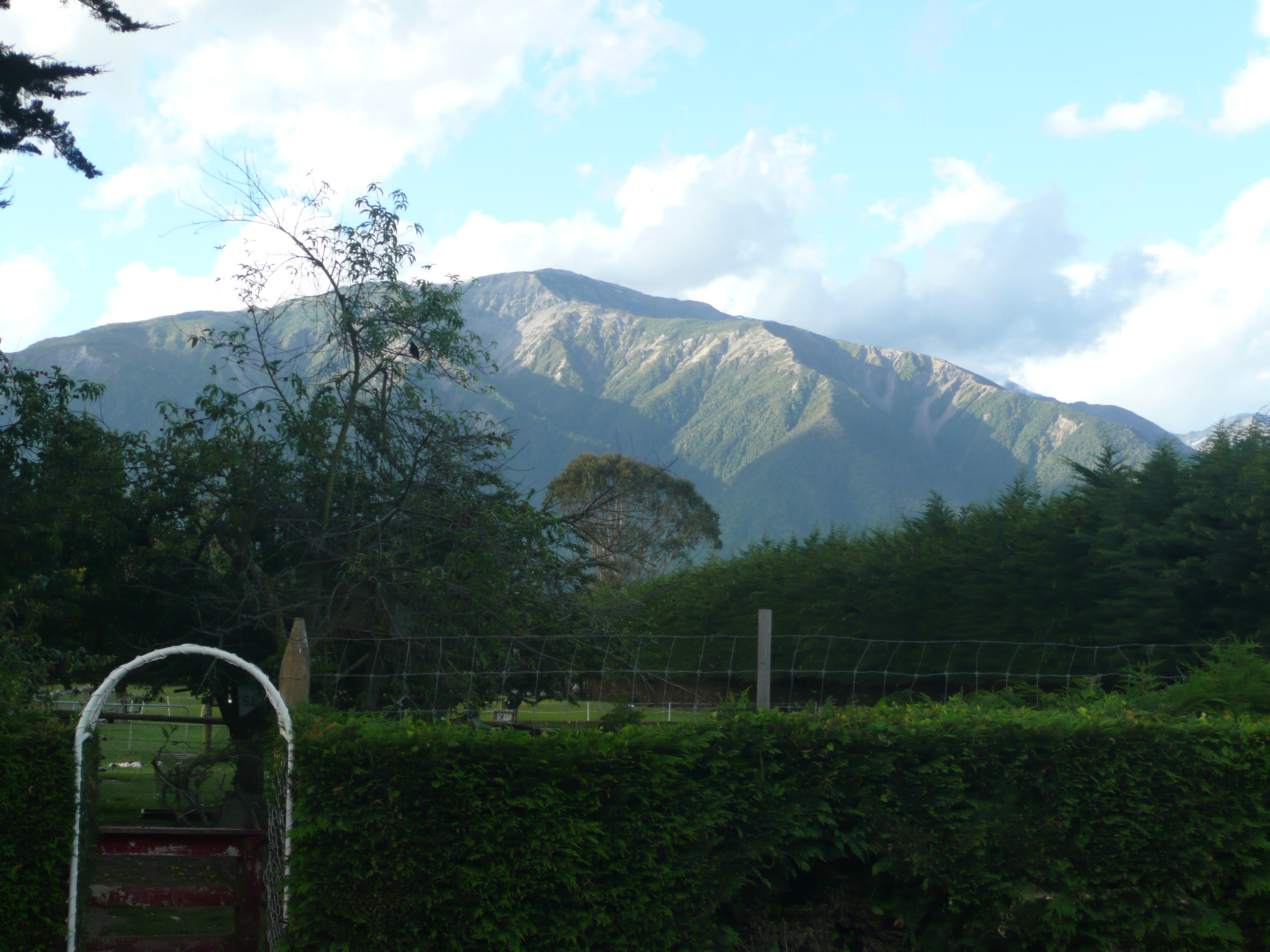
On the day of arrival, we were shown into our accommodation – a clean and comfortable self contained cottage. We were treated to a magnificent lunch which included a home made vegetable soup amongst other delicious and surprising treats. We were asked to work on the day of arrival, and in total we completed three hours of gardening before being called in for dinner.
The week continued on a similar vain as we worked a total of three and a half days, completing 3-8 hours of work per day. Our meals were excellent, our host superb (if not slightly quirky), and we got to explore Hastings, and experience Cape Kidnappers and the gannet colony. All in all it was a fair trade. While the physical labour was at first intimidating, especially as I still considered myself high maintenance, the effort was rewarding – not only for my tummy, but also for my soul. It felt really good to contribute positively to Mrs. P.’s projects.
Wwoofing: The Bad
My second experience of Wwoofing was arranged by responding to an advert on Backpackersboard. The advert required helpers to assist with the running of a llama trekking farm in Kaikoura.
This was a completely different experience to Hastings. Our hosts were from the UK and had a very different work ethic. Upon our arrival, they sat us down and ran through a seven day schedule which included the tasks we were expected to complete. Our day would start at 8.00am and we were to finish after 5.00pm. We were permitted no days off in which to explore the area and the food and accommodation were extremely poor. The bedroom was unclean, the communal areas were unsavory, and we were told to use a port-a-loo if we required the bathroom at night.
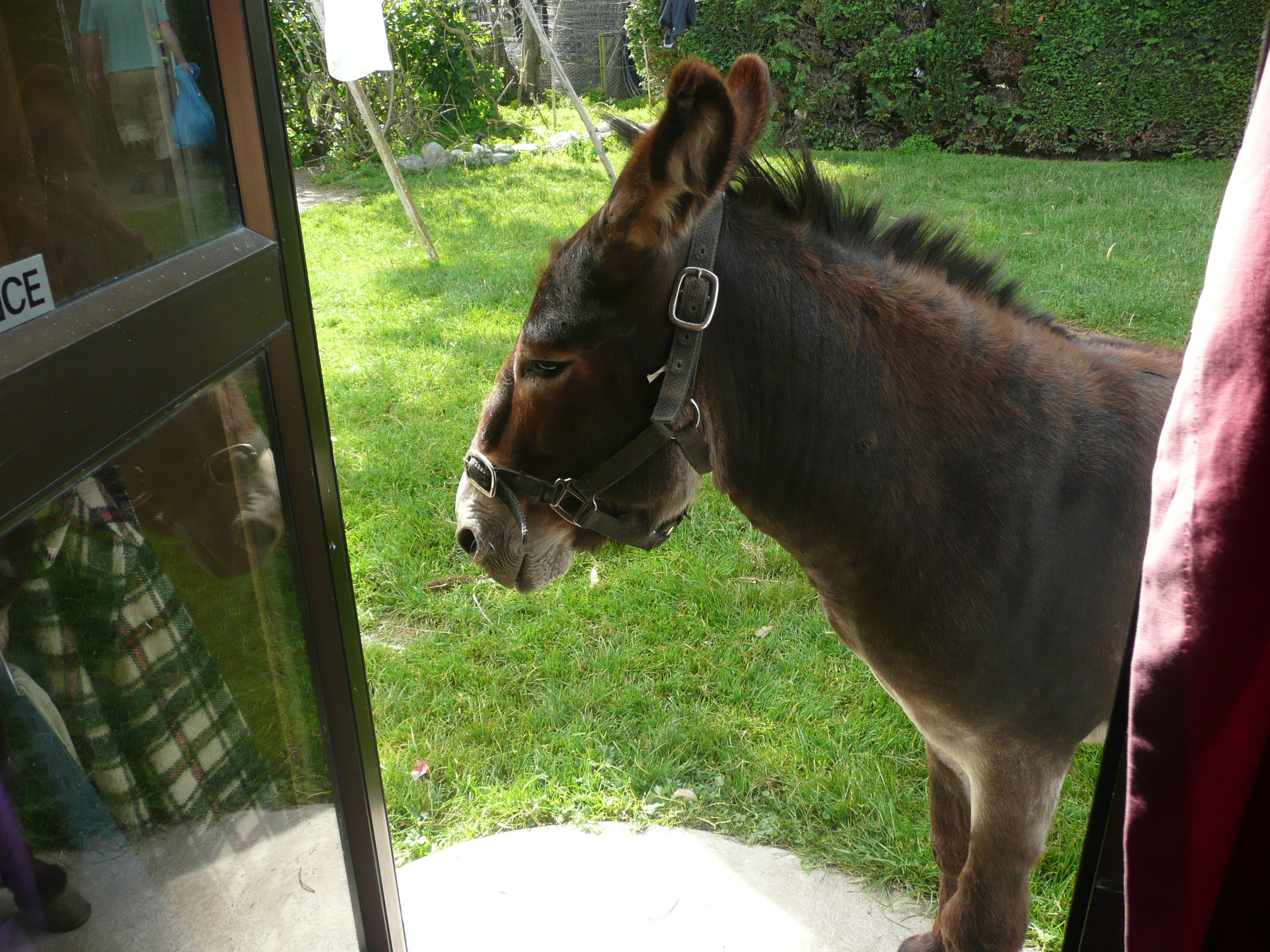
Our day would start with feeding the animals, then 2-3 hours of poo picking, manually collecting excrement from the paddocks. The day continued with preparing the feed for the evening, hand cutting grass for the rabbits, preparing the llama’s for treks, and other park maintenance. In addition, we all shared cooking responsibilities, were unable to take a hot shower every day due to water restrictions, and were fed out of date milk and bread. This was a horrid experience, one I care never to repeat.
Although I count it as one of my worst experiences in New Zealand, I also consider it one of the most funny and most humbling. It was not until many weeks later that I was able to use the power of hindsight and look upon the experience more positively.
So, what can I tell you about Wwoofing … well Wwoofit! Whether good or bad, a Wwoof placement is sure to make your backpacking trip more unique. It’s a fabulous way to save money, meet the locals, and explore the remoter parts of New Zealand. You will be placed in situations you never dreamed possible, acquire new skills, and discover a part of yourself that perhaps you never thought you had.
Although my boyfriend still considers me ‘high maintenance’, I have learnt a great many things about my capabilities. I feel able to take on any challenge head on. Pre-travelling I would shy away from situations that were outside my ‘comfort zone.’ Yet post-travelling, I feel I’m able to tackle the unknown and I’m ready for adventure.
Found this post useful? Awesome! Don’t leave, check out the posts below:
- 7 Awesome Places in New Zealand You’ve Never Heard of
- Climbing New Zealand’s Iconic Mitre Peak
- 20 of New Zealand’s Best Views
- New Zealand’s Top 5 Backpacking Destinations
- 5 Ways to Travel Around New Zealand
- Planit NZ – Your Centralized Resource for Planning Trips to or Within New Zealand

 Backpacking Matt




Wwoofing is one of my goals this year, although I’m not quite sure where I’ll end up doing it. It was nice to read some insight from travelers who’ve wwoofed before and hear the good with the bad 🙂
Glad you enjoyed the read! I hope to do a bit of Wwoofing before I ultimately leave New Zealand. It’s a great way to continue your travels while not spending much money.
This summer I am doing a work exchange through workaway. Often I see the two websites posted together. They seem to be based on the same primary principles although most of it seems like it comes down to you and the host. So far my experience with the site has been positive and have arranged 3 workaways this summer. I hope my workaways end up being like your positive wwoof experience. the website is workaway.info for those who haven;t heard of it.
I am planning on going to WWOOF in New Zealand in just a couple of months, and I have a question. How did you get transportation from each WWOOF location?
I will be in Newzealand in November staying in Nelson. As my email address gives my age away,but I am a novice at been a pensioner, my first attempt at Wwoofing.
I will be doing this on my own from the things that I have read it gives me the excitement to go ahead. With this idea of not been old but capable of enjoying the different experiences of how other people live their lives,through work fun and accepting us strangers into their homes to help out. Cannot wait.
I intend to start woofing in April that will be when I arrive back from Austrailia.
HI! I’m Brenda from Argentina. I am travelling to Hastings, NZ, in a few days and I would love to contact you to talk about the city or the woman you did wwoofing for. I really dont know what I am going to do next haha so maybe you can guide me a little bit. Thank you
Hi! My name is Angie and if you guys ever planning of woofing in Nelson, I always could use some helpers in my big garden and around the house. If had lots of helpers in the past and people used to love living here with us. We are living very close to the beach, the house and rooms are very nice and cosy and I believe we are great chefs who love to cook healthy stuff for everyone.
If you’re interested just give me a call anytime 02102757684. Thank you. 🙂
Hey Angie! I am from the U.S. and am coming out to NZ this winter with my boyfriend to wwoof. I would love to get in contact with you to get some more information on your farm. Are you on the wwoof.co.az site?
Thanks in advance! -Sarah